


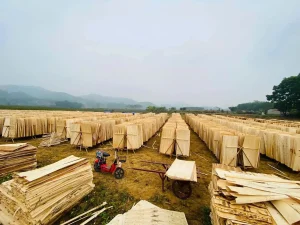
In Vietnam’s vast plywood industry, only a select group of facilities possess the specialized equipment and disciplinary rigor required to produce genuine CARB P2 certified panels. Most domestic producers cater to price-sensitive markets where emission regulations are less stringent. Consequently, some suppliers may claim “CARB P2 compliance” without the third-party auditor (TPC) documentation necessary to make that claim legally defensible under TSCA Title VI.
For importers targeting the United States, selecting the wrong factory results in significant operational risks: shipment detentions, EPA enforcement actions, and the financial burden of disposing of non-compliant inventory. This guide defines the credentials of a legitimate CARB P2 facility and the documentation required to ensure your supply chain remains secure.
Why CARB P2 Certification is a Factory-Level Commitment
The CARB P2 standard mandates that hardwood plywood must not exceed 0.05 ppm of formaldehyde, verified through rigorous ASTM E1333 or D6007 testing. Achieving this is an industrial process, not merely an administrative one, requiring:
-
Advanced Resin Chemistry: Certified production utilizes Melamine-Urea-Formaldehyde (MUF) or low-mole-ratio UF resins, which are significantly more expensive than the standard urea-formaldehyde (UF) glues used in commercial-grade production.
-
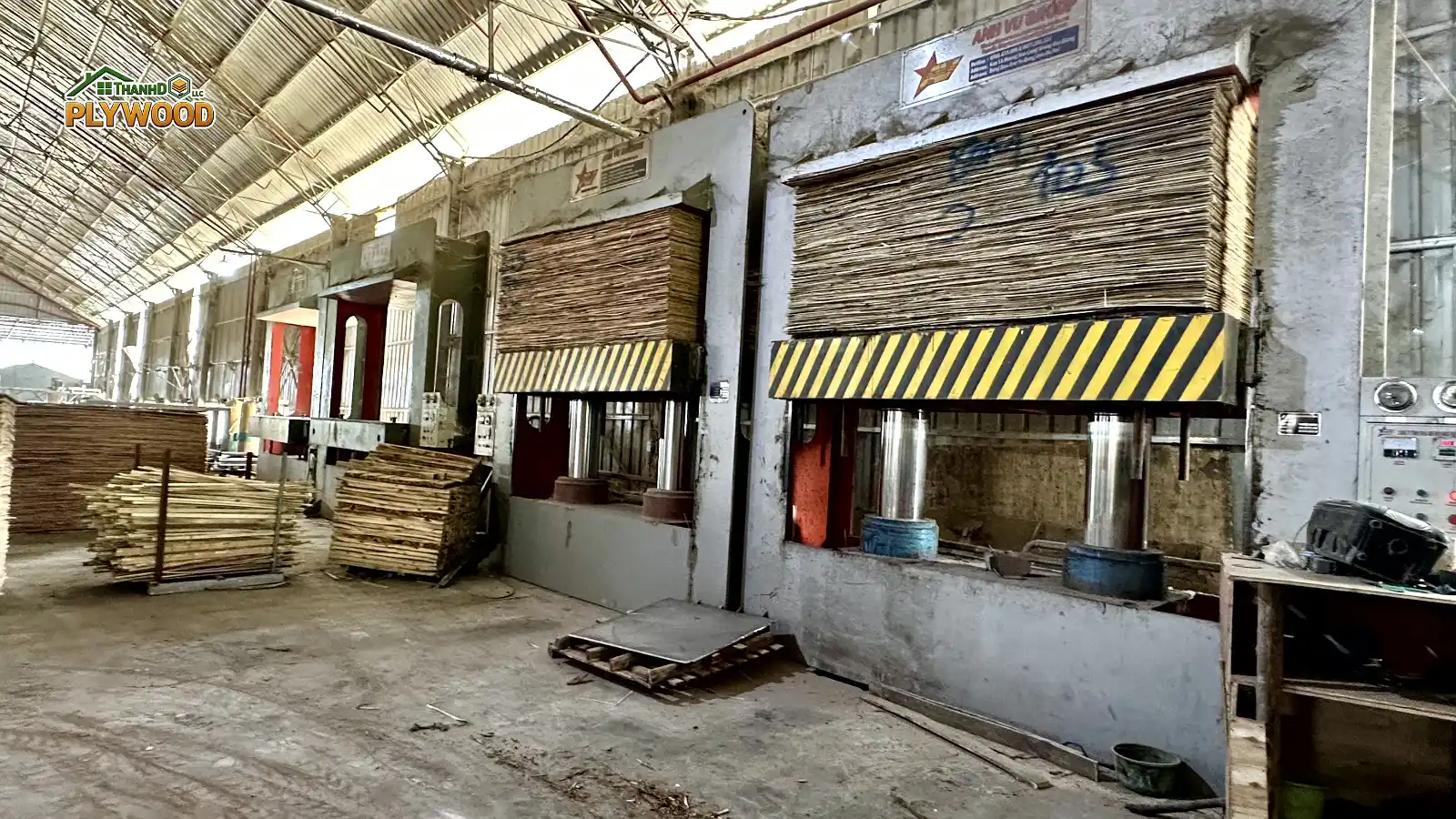
Controlled Press Parameters: Automated systems must maintain precise temperature, pressure, and cure-time profiles to prevent incomplete resin polymerization, which is a primary driver of post-press formaldehyde spikes.
-
Moisture Management: Facilities must operate industrial-grade dryers to ensure core veneer moisture remains strictly within a 6–8% range before assembly.
-
TPC Oversight: CARB P2 compliance requires quarterly inspections and testing overseen by an EPA-recognized Third-Party Certifier (TPC).
Important: Self-declaration or labels claiming “CARB P2-equivalent” have no legal standing for U.S. customs entry. Compliance requires a factory-level TPC certification.
Identifying Certified Production Segments
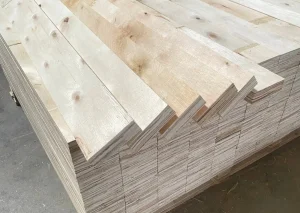
Not all Vietnamese factories are capable of CARB P2 production. Only the Premium Furniture segment—which typically utilizes lightweight Styrax core (480–500 kg/m³) or dense Eucalyptus core (650–750 kg/m³)—consistently maintains these standards.
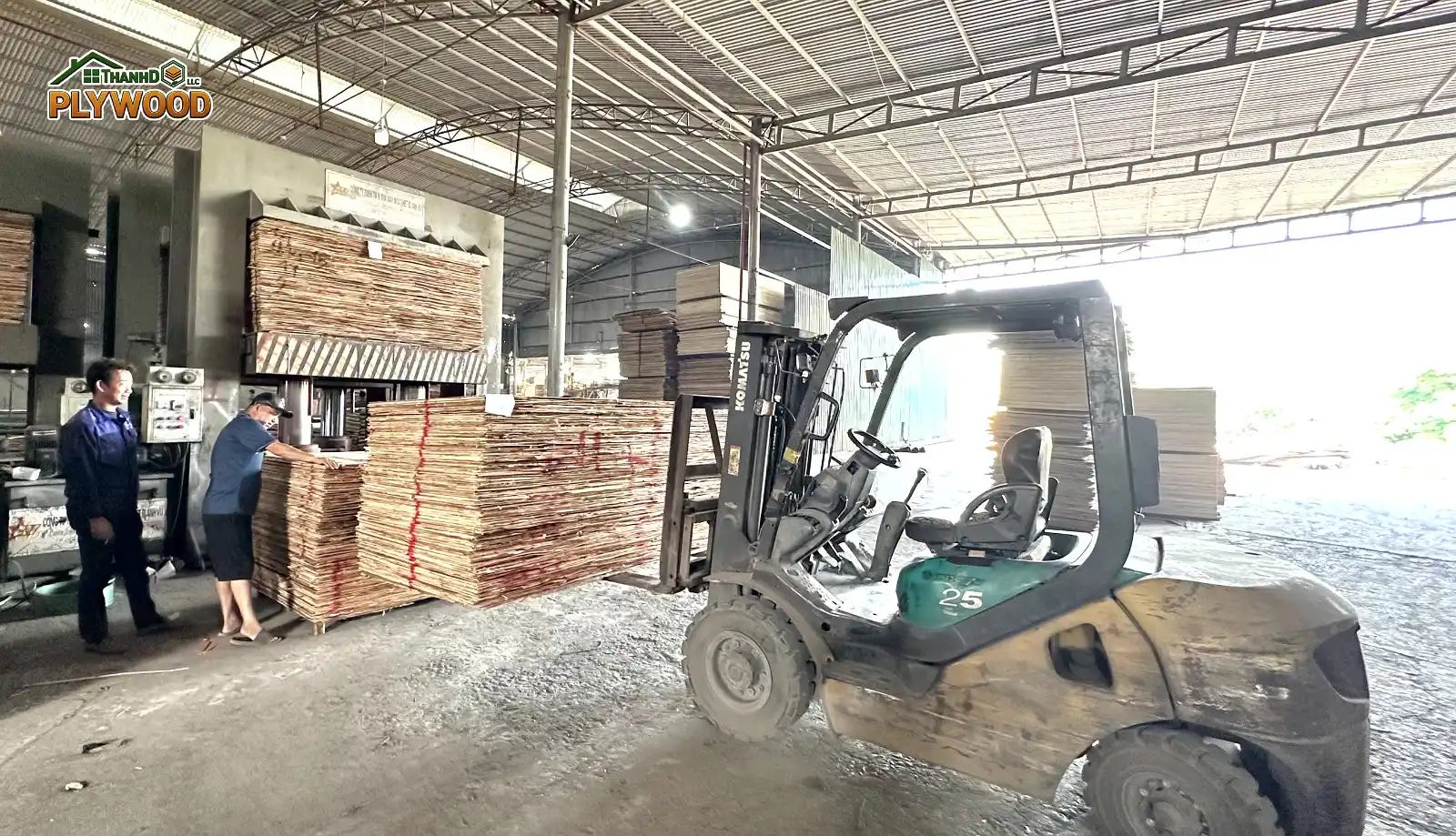
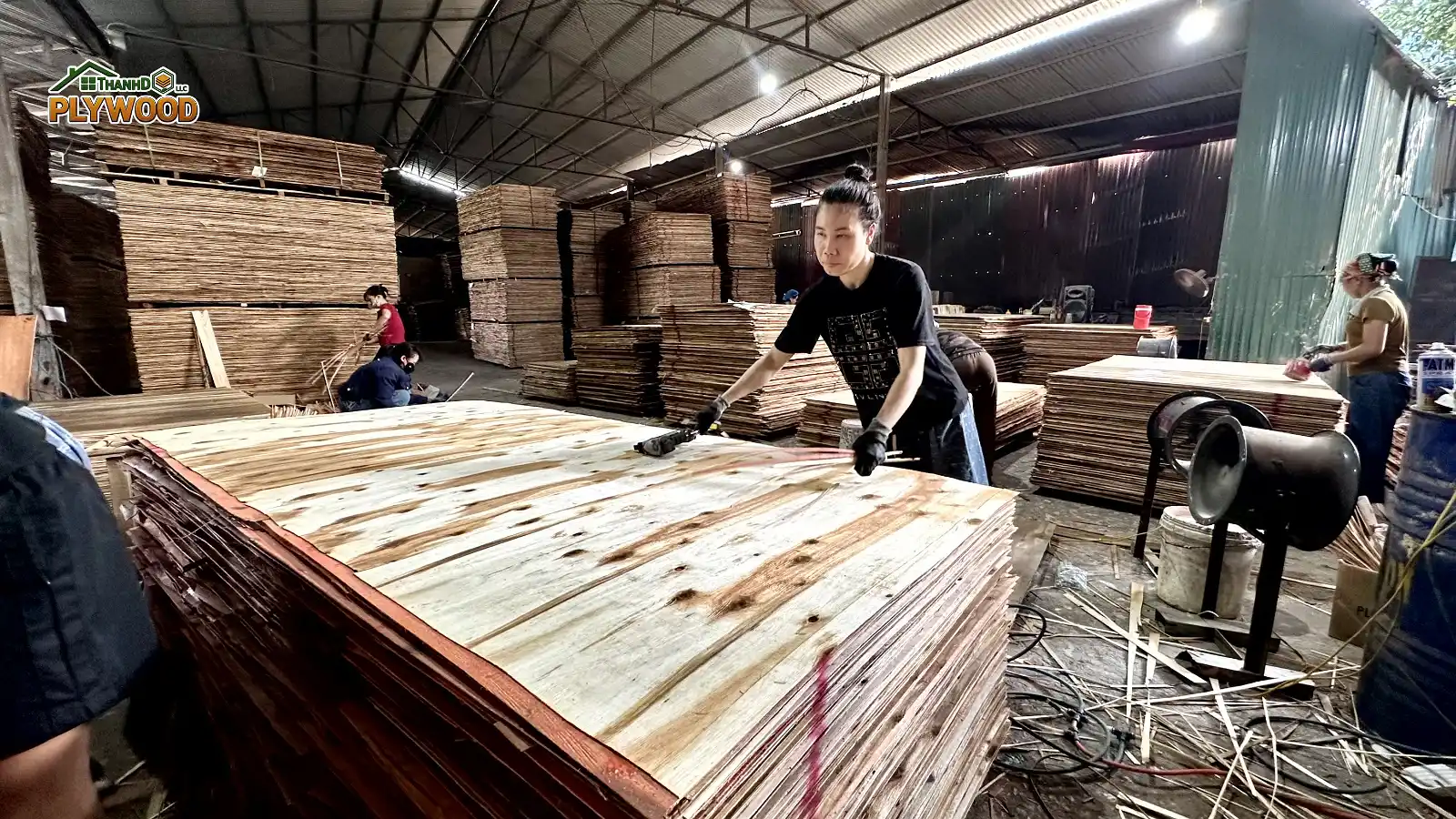
These premium facilities further differentiate themselves by using full-stitched core construction, where veneer strips are joined edge-to-edge to eliminate gaps and overlaps, ensuring uniform adhesive distribution and emission levels across the entire panel.
The Four-Document Verification Protocol
To mitigate sourcing risks, buyers must demand four specific items from their Vietnamese suppliers before finalizing an order:
-
Valid TPC Certificate: Must feature the TPC’s name (e.g., SGS, UL, Intertek), the factory’s exact legal name, and a current validity period.
-
ISO 17025 Accredited Test Report: A report dated within the last 12 months, using the ASTM E1333 or D6007 method, issued by an accredited laboratory.
-
Physical Panel Labeling: Photographic evidence that each bundle carries the TPC number, which allows U.S. customs inspectors to cross-reference the shipment.
-
TSCA Title VI Invoice Statement: The commercial invoice must explicitly state, “These products are TSCA Title VI compliant,” serving as the importer’s formal legal declaration.
“When buyers ask me for CARB P2 documentation, I send the TPC certificate, the latest quarterly test report, and a sample invoice with the TSCA statement. If a supplier cannot produce all three within 24 hours, that is your answer.” — International Sales Manager, Plywood ThanhdoLLC.
Certifiable Products and Production Standards
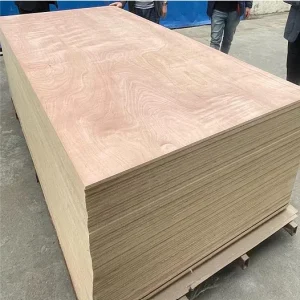
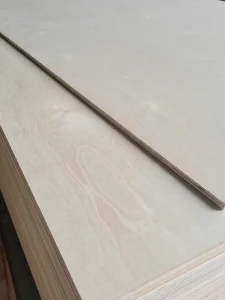
While the face veneer type varies, the certification applies to the entire panel construction. Plywood ThanhdoLLC offers CARB P2 certification for the following face species:
-
Birch: The standard for U.S. cabinetry, usually utilizing a Styrax core.
-
Engineered Veneer (EV): A uniform, cost-effective substitute for natural wood.
-
Okoume: Preferred for its light grain, often used for internal carcassing.
-
Pine and Poplar: Used for specific decorative or interior applications.
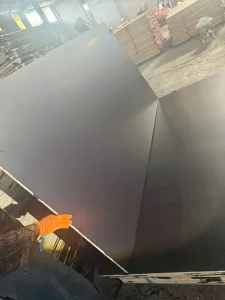
Important: Bintangor-faced, packing-grade, and budget film-faced plywood produced with acacia cores and standard UF/melamine blends are not CARB P2 certifiable.
Cost Structure and Supplier Due Diligence
CARB P2 panels carry a 15–20% price premium over standard E1 commercial grades, which covers the tangible costs of MUF resins, TPC audit fees, and professional-grade process monitoring.
Warning Signs of Non-Compliance:
-
Lack of a TPC number on standard quote templates.
-
Testing reports from non-ISO 17025 accredited labs.
-
Pricing that matches commercial E1/E2 grade rates.
-
A supplier’s inability or unwillingness to print TPC data on panel labels.
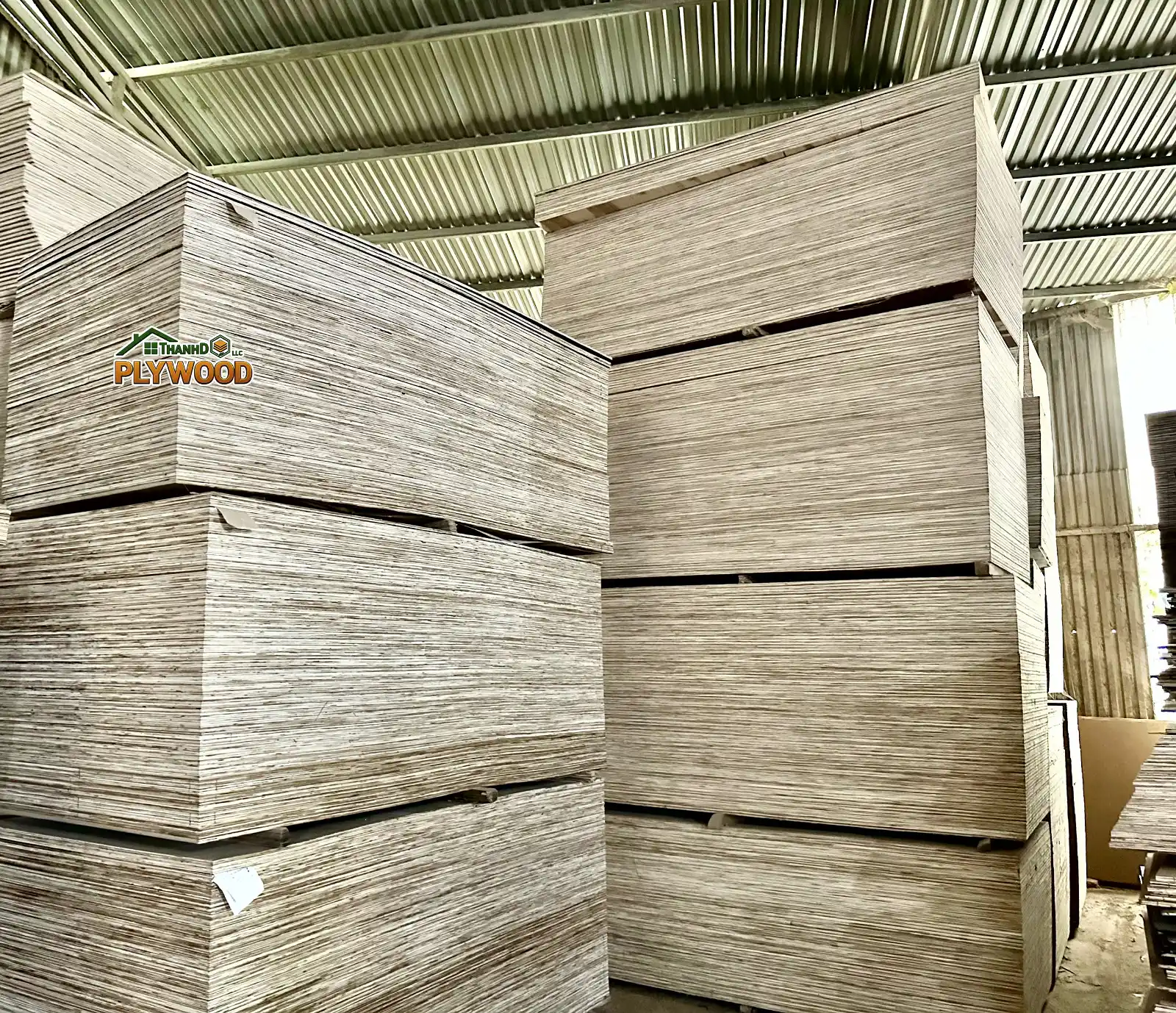
Plywood ThanhdoLLC operates dedicated furniture-grade production lines that adhere strictly to TPC-audited protocols, ensuring full compliance for U.S.-bound shipments. By focusing on factory-level certification rather than simple claims, importers can ensure their supply chain meets all U.S. regulatory requirements.