


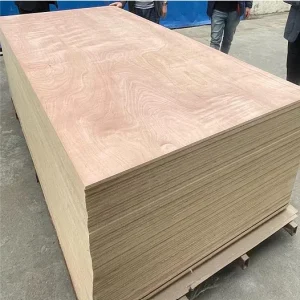
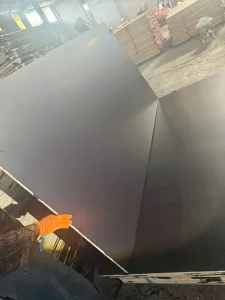
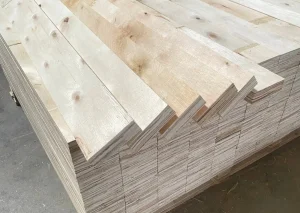
It is a common frustration for contractors and builders: investing in high-end WBP plywood, expecting it to withstand boiling water, only to watch the layers peel apart during testing. This has led many to question the reliability of the WBP standard. However, the reality is more nuanced. In this guide, Plywood ThanhdoLLC decodes the technical complexities behind this issue and explains how to source and handle high-quality plywood effectively.
I. Demystifying the WBP Standard
Misunderstandings about WBP often stem from incorrect definitions. Clarifying these terms is the first step toward better procurement.
1. WBP: More Than Just “Boil Proof”
WBP does not stand for “Water Boil Proof.” It stands for Weather and Boil Proof. It is not a specific glue type but a performance standard for adhesive bond durability, governed by international benchmarks such as EN 314-2 (Europe) and BS 1088 (British Marine).
2. What Does the Standard Require?
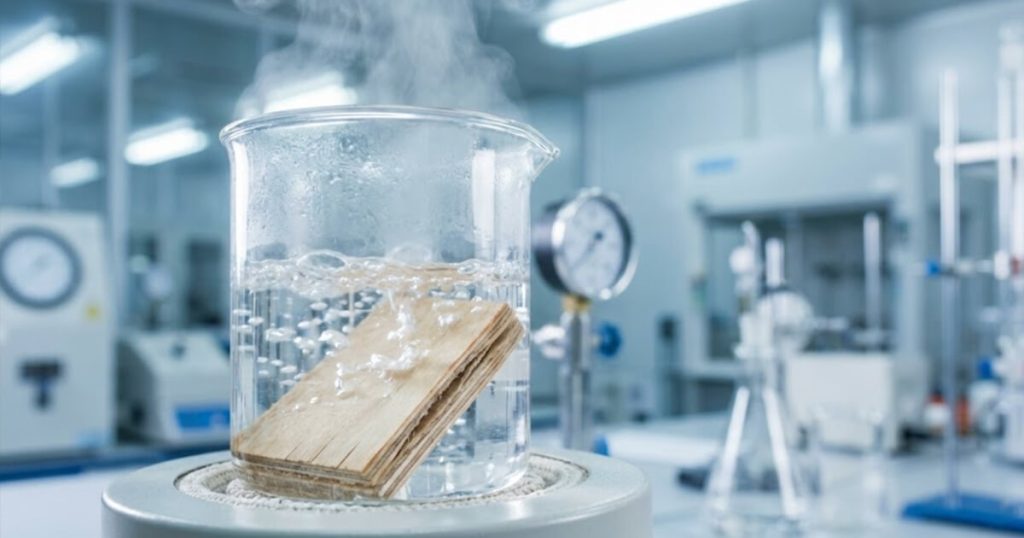
Compliance with EN 314-2 demands that plywood maintains bond integrity under extreme conditions, including sustained exposure to boiling water (100°C) and repeated moisture-dry cycles. Simply labeling a board “WBP” does not guarantee 72-hour boil resistance; performance is entirely dependent on the specific resin chemistry and manufacturing rigor.
II. The Adhesive Hierarchy: Melamine vs. Phenolic
The “WBP” label is an umbrella term that covers two very different types of adhesives.
1. Melamine Resin (MUF): The Budget-Friendly Standard
Melamine-Urea-Formaldehyde (MUF) is common due to its lower cost, but it has distinct limitations:
-
Standard Grade: Typically resists boiling for 4–8 hours.
-
High-Grade (Melamine >12%): Can sustain 10–20 hours of boiling. While labeled WBP, standard Melamine-bonded boards rarely meet the expectations of a 72-hour boil test.
2. Phenolic Resin (PF): The True Exterior Grade
Phenol Formaldehyde (PF) is the “permanent” adhesive required for true marine or structural applications. It resists delamination for 24 to 72+ hours of continuous boiling. Because PF resin is significantly more expensive than Melamine, some manufacturers deceptively label Melamine-based boards as “WBP,” leading to performance failure in the field.
III. 7 Technical Reasons for Delamination
Even with the right glue, improper manufacturing can ruin a panel’s integrity.
-
Excessive Core Moisture: If veneer moisture exceeds 14%, it prevents proper glue penetration and creates steam pressure during hot pressing, causing “steam blisters.”
-
Improper Hot Pressing: Inadequate temperatures (under 130°C for Melamine, 140°C for Phenolic) or insufficient press times prevent the adhesive from fully curing.
-
Inconsistent Glue Spread: “Starved” joints (too little glue) create weak spots, while overly thick glue lines create internal stress that leads to cracking.
-
Poor Veneer Quality: Voids, gaps, or loose wood fibers act as conduits for water to bypass the adhesive layer and attack the core.
-
Adulterated Adhesive: Diluting glue with fillers (like flour) to cut costs severely compromises moisture resistance.
-
Neglected Edges: Water enters through exposed core edges. Without edge sealing, moisture penetrates the panel interior, causing internal delamination.
-
Counterfeit Products: MR (Moisture Resistant) boards mislabeled as WBP to capture premium pricing are a significant issue in the local market.
IV. Field Testing: Real vs. False WBP
Use this framework to verify your supply:
V. Proper Handling and Maintenance
Sourcing quality is only half the battle. Protect your investment with these best practices:
-
Storage: Keep panels on pallets, at least 10cm off the ground. Shield them from rain and direct sun with tarpaulins in a ventilated area.
-
Edge Sealing: Crucial Step. After cutting, immediately apply waterproof paint or edge-sealing glue to all exposed edges to block moisture ingress.
-
Application Matching: Use Phenolic-bonded WBP for construction formwork and marine use. Use high-grade Melamine-bonded WBP for cabinetry in humid areas, and standard MR plywood for dry, indoor furniture.
VI. Final Insights
Delamination in “WBP” plywood is almost always a result of a gap between user expectations and actual manufacturing quality. By demanding genuine Phenolic-bonded products, verifying test reports, and meticulously sealing exposed edges during installation, you can avoid costly failures. Plywood ThanhdoLLC emphasizes transparency—always verify your supplier’s technical documentation to ensure your plywood performs exactly as required.